



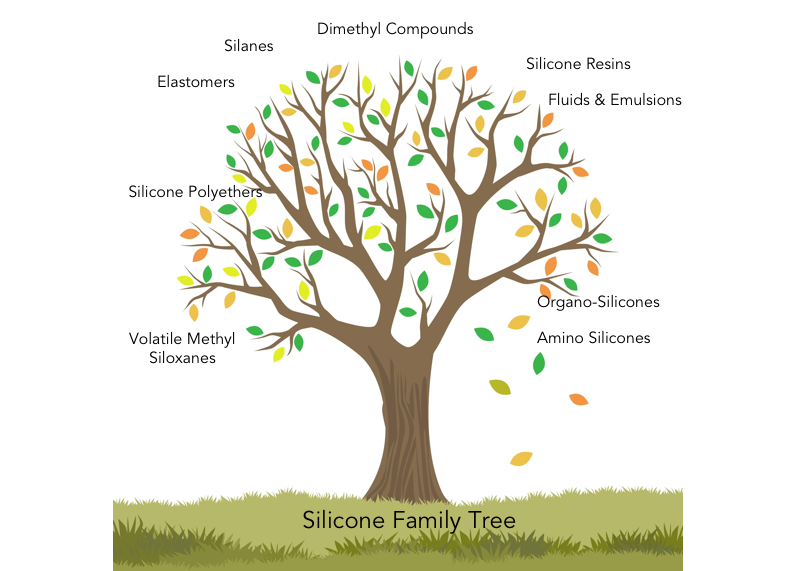
You might have heard that silicones (or 'cones) are bad for your hair causing damage and you should avoid all products with any ingredients ending in 'cone. We are going to tell you what you need to know about 'cones and why you might or might not want to avoid them.
Why are silicones in my products anyway?
 As a manufacturer of beauty products we can tell you there are basically two reasons to put an ingredient in a product:
- It's cheap- sometimes an ingredient is used just to take up space (a filler) or because it's cheap. Mineral oil would be a good example. A manufacturer needs to use an oil. But, instead of using a more expensive oil, he uses mineral oil to keep his cost down.
- It's effective- an ingredient will be put in a product because it has the desired effect on your hair and/or skin. This might be an expensive ingredient or a cheap one, a natural ingredient or a synthetic one. Sodium laurel sulfate for example, is a synthetic ingredient (derived from coconut) that makes products foam and clean effectively. Manufacturers use it because people like products like shampoo to lather.
Manufacturers don't put things in products to purposely cause harm. While it's true that unscrupulous manufacturers will use cheap ingredients that don't work well, most manufacturers want their products to work as advertised. So, why do some of the best manufacturers use silicones if they are harmful?
Basically, silicones are put in products because they coat the hair with a thin water-proof (hydrophobic) covering.
Putting a silicone coating on the hair serves a few good purposes:
- It prevents the hair from absorbing humidity. While we want to have our hair get moisture, we don't want this moisture to penetrate the hair after we've flat ironed or pressed it which causes the hair to frizz or revert.
- While the hydrophobic (water-proof) coating keeps moisture out, it also keeps moisture in the hair, which we like. So, sealing the hair after moisture has been applied can be desirable.
- The coating is slick. So, it makes the hair easier to comb and smoother to the touch. It also makes the hair reflect light better- so the hair appears more shiny.
- Another benefit to silicones in products it they protect the hair from heat used while styling (blow drying, flat ironing or pressing).
Are all silicones the same?
No. As you would probably guess, not all silicones have the same properties. Silicones are a family of compounds. You might have heard of silicone caulk. You certainly wouldn't want to put that in your hair. There are a variety of silicones from some that are pretty "heavy' and prone to building up to some that are relatively "light". One of the heavier silicones used in hair products is dimethicone or simethicone. It gives a great smoothing effect- the best. But, it can be hard to wash out. On the other extreme, cyclomethicone is very light and easy to wash out. It gives a slippery feeling to the hair while wet. But, after it's been rinsed out, you can hardly tell it was there.
How do I avoid silicone damage to my hair?
 To avoid having silicones damage your hair, don't use products with silicones too often. If you use a shampoo, conditioner or styling product with silicones, switch up and don't use them too often. For people who wash their hair every day or multiple times a week this is extremely important.
If you wash less often, the build up from these products is not as troubling. Since most of our clients wash less than weekly, silicone build up from shampoos and conditioners won't be as much of a concern. But, even so you can occasionally use a clarifying shampoo or do a silicone removing treatment (see below) to be on the safe side.
How do I remove silicone buildup from hair? How do I repair silicone damage to my hair?
Most silicones are not water soluble. So, simply rinsing them out with water won't remove them. That's why they can build up. But, the good news is most silicones are easily removed with surfactants (cleansers) that are in most shampoos. You do not necessarily need a "clairfying" shampoo.
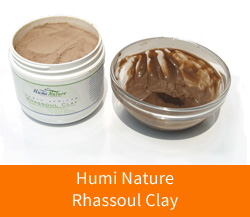
Some ingredients you'll want to look for in a shampoo to remove silicones are sodium laurel sulfate (SLS), sodium laureth sulfate (SLES), cocamidopropyl betaine, cocobetaine, ammonium lauryl sulfate (ALS) and ammonium lauryl ether sulfate (ALES). Products with clay like Sahara Clay and Rhassoul Clay can also be used to deep clean hair and remove silicone buildup.
If you're going to use products with silicones, it's a good idea to periodically use a shampoo with one of these surfactants to clean the hair. Or deep cleanse with a clay mask product every month or so.
But, I don't want to use shampoos with sulfates because I heard sulfates are harmful
Well... Sulfates are good and bad- like silicones. Sulfates are used because they are good surfactants removing dirt and oil (and silicones). But, too much of a good thing can be bad. See this article The Truth About Sodium Laurel Sulfate for more information on their benefits and harmful effects.
Should I try to avoid 'cones entirely?
The answer is up to you. We don't feel it's our job to tell you what to do or not do but to present you with a fair and balanced assessment of a topic so that you can make your own decision. Now that you know why silicones are in so many hair products you can determine if you think their benefits outweigh the risks.If you do happen to experience silicone build-up you now know how to deal with it.
Like this article? Share it: